DIABETIC FOOT ULCERS
An essential guide to foot care and orthotic interventions
INTRODUCTION
Diabetic foot ulcers (DFUs) are one of the most common and severe complications of Diabetes Mellitus, affecting approximately 15-25% of individuals with diabetes during their lifetime. Delay in the management of diabetic ulcers results in amputations, which account for 70-90% of all foot amputations (Dennis J. Erick J. 2010).
To begin with, what is diabetes?
Diabetes is a critical incurable condition arising from excessive sugar in the blood(Hyperglycaemia). The development of diabetic foot ulcers is very preventable with intentional foot care and constant foot examinations.
The management of diabetic foot ulcers is multifaceted and requires an integrated approach that combines medical, surgical, and rehabilitation strategies to ensure optimal healing and prevent recurrence.
Among the various strategies, the use of orthotics plays a critical role in:
- Offloading pressure
- Improving foot biomechanics.
- Promoting the healing of diabetic foot ulcers.
This article provides a comprehensive overview of the orthotic approach in the management of diabetic foot ulcers, exploring the pathophysiology, risk factors, role of orthotics, and clinical applications in DFU care.
DFUs result from prolonged sugar in the blood, causing numbness and tissue disintegration. This eventually affects the skin’s subcutaneous tissue, ligaments, muscles, tendons, and bones.
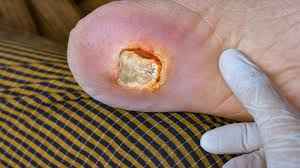
DFUs are open wounds or sores that arise around the feet due to several factors. Depending on their duration, diabetic foot ulcers may vary in size and depth. Understanding the causes and potential risks will better inform the interventions and early preventive measures to take to avoid their progress.
DFUs typically develop due to peripheral neuropathy, poor circulation, and abnormal biomechanics. Peripheral neuropathy, a common complication of diabetes, impairs sensation in the feet, which makes individuals unable to feel injuries, pressure, or irritation. This lack of sensation can lead to calluses, blisters, or open wounds without the patient’s knowledge.
Moreover, individuals with diabetes often suffer from peripheral arterial disease (PAD), which reduces blood flow to the lower extremities. This impairs the healing process and increases the risk of infections. As these factors progress, changes in foot biomechanics, such as deformities (e.g., Charcot foot, hammertoes), lead to increased pressure, predisposing the foot to ulceration. These ulcers are typically located on weight-bearing surfaces, such as the plantar aspect of the foot, and may be further aggravated by ill-fitting footwear.
| Stages in the advancement of DFUs | |
| 0 | No open lesion |
| 1 | Superficial ulcer |
| 2 | Deep ulcer to tendon or joint capsule |
| 3 | Deep ulcer with abscess, osteomyelitis, or joint sepsis |
| 4 | Local gangrene – forefoot or heel |
| 5 | Gangrene of entire foot |
Causes of Diabetic Foot Ulcers.
1. Peripheral Neuropathy:
Diabetes, also associated with high blood pressure, causes numbness to the feet, toes, and fingers. The numbness may result in injuries going unnoticed, which may cause infections and tissue damage.
2. Peripheral Arterial Disease,
Also known as Ischemia, involves a lack of enough oxygen circulation in the blood. This causes cells to die, hindering healing and causing incurable infections. Ischemia causes the death of cells in the affected areas, leading to amputations.
3. Repeatitive trauma and pressure:
Ill-fitting and tight shoes may hinder blood circulation to the feet, causing pain and numbness. High heels also cause imbalances in weight bearing and pressure distribution along the feet, causing deformities and mobility impairments in the feet.
4. Feet infections and prolonged healing thereof.
Improper foot care and lack of frequent inspection can cause bacterial and fungal infections to the feet. These may escalate to full brown wounds and sores that may take long to heal, considering diabetes patients have a weak immune system.
Prevention and Management Options for DFUs
As a multidisciplinary intervention, diabetic foot ulcers can be treated clinically by qualified doctors as each case may demand. Here is an extract from Pubmed showing the various methods used in their treatment.
Overview of dressing types used in the treatment of diabetic foot infections.
| Dressing type | Description | Suggestions for use |
| Alginates | Highly absorbent with bacteriostatic and haemostats properties. | Useful in cavitating lesions. |
| Foam dressing | Moderately absorbent with thermal insulation properties. | Used in light and heavy exudative wounds. |
| Hydrocolloids | Absorbent and aids rehydration and autolysis. Promotes granulation. | Useful for dry, sloughy, necrotic wounds. Avoid use on infected wounds. |
| Hydrogels | Absorbent, donates liquid and aids autolysis. | Useful for dry, sloughy, necrotic wounds. Avoid in concurrent/suspected infection. |
| Iodine preparations | Moderately absorbent with antiseptic properties. | Discolours wound. Avoid in case of iodine allergy, pregnancy or thyroid disease. |
| Low-adherence | Minimally absorbent with hypoallergenic properties. | Standard diabetic ulcer treatment. Often use in conjunction with anti-microbials. |
| Silver-impregnated | Absorbent with anti-septic properties. | Useful for infected diabetic foot ulcers. Avoid in known sensitivities to silver. |
Clinical Applications of Orthotics in DFU Management
The application of orthotics in the treatment of diabetic foot ulcers is multifaceted. Employing various approaches based on the stage, severity of the ulcer, and the presence of underlying foot deformities. The clinicians involved are a licensed or certified pedorthist, a certified orthotist, and a certified prosthetist.
1. Offloading and Pressure Redistribution
One of the primary roles of orthotics in DFU management is to offload the ulcerated area and redistribute pressure. By ensuring that the weight is evenly distributed across the foot, orthotics reduce the mechanical stresses that could impede healing or exacerbate the wound. This is especially important in individuals with neuropathy, who may not feel pressure buildup and are more susceptible to developing ulcers from excessive or uneven pressure.
Orthotic devices like total contact casts or custom foot orthoses can specifically target the affected areas and alleviate direct pressure from the wound. These devices help offload the area, creating an environment conducive to healing.
2. Wound Protection
Orthotics provide crucial protection to the ulcerated area, preventing further trauma and irritation that could lead to infection or delayed healing. For example, patients who have ulcers on the plantar aspect of their foot may be particularly at risk of further injury from pressure caused by footwear or walking. Orthotics such as custom insoles, offloading devices, or total contact casts act as shields, preventing the ulcer from being aggravated by daily activities.
3. Biomechanical Correction
DFUs often develop due to biomechanical abnormalities, such as excessive pronation, high arches, or deformities like Charcot foot. Orthotic devices, particularly custom foot orthoses and ankle-foot orthoses, are designed to correct these abnormal movements by redistributing pressure and improving the foot’s alignment during walking. This biomechanical correction helps reduce the risk of ulcer formation by preventing excessive stress on specific areas of the foot.
4. Preventing Recurrence
After the healing of a diabetic foot ulcer, the risk of recurrence remains high, especially if the underlying biomechanical problems and pressure points are not addressed. Orthotic devices are crucial for preventing recurrence by providing continued support, reducing pressure, and improving foot mechanics. Custom orthotics and insoles can be used as long-term interventions to maintain optimal foot health and minimize the risk of future ulcers.
Types of Orthotic Devices Used in Diabetic Foot Ulcer Management
1. Custom Foot Orthoses (CFOs)
Custom foot orthoses are tailored to fit the individual’s foot and accommodate specific foot deformities or irregularities. These devices are made from materials such as ethyl vinyl acetate (EVA) foam, carbon fiber, or plastizote, which offer cushioning, shock absorption, and pressure redistribution. Custom foot orthoses are designed to improve the alignment of the foot and ankle, correct abnormal gait patterns, and reduce pressure on areas prone to ulceration.
CFOs can be specifically designed to offload high-risk areas by redistributing weight across the entire foot. For example, in cases of plantar ulcers, the orthosis may include a cushioning material under the arch or heel to reduce pressure on the affected area. Similarly, in cases of Charcot foot or deformities like hammer toes, custom orthotics can help stabilize the foot structure and reduce abnormal pressure points.
2. Total Contact Casting (TCC)
Total contact casting (TCC) is one of the most effective orthotic treatments for DFUs, especially for those with severe neuropathy. This technique involves the application of a fiberglass or plaster cast that fully encompasses the foot and ankle, ensuring that the entire plantar surface makes contact with the cast. The cast helps offload pressure from the ulcerated area by distributing the weight evenly across the foot and limiting movement.
The TCC is particularly beneficial in patients with large or deep ulcers, as it prevents further trauma and promotes wound healing by keeping the ulcer in an optimal position for recovery. Moreover, TCC has the added benefit of providing protection and preventing further injuries to the ulcerated area.
3. Pressure Relief Insoles and Inserts
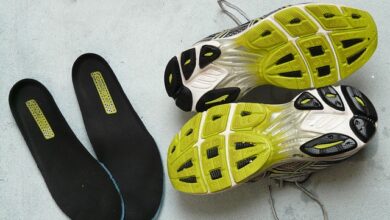
Insoles and inserts are commonly used in the management of DFUs to reduce pressure on vulnerable areas of the foot. These devices are placed inside the patient’s regular footwear to enhance comfort and provide additional cushioning. Pressure relief insoles often have contoured surfaces that match the individual’s foot shape and provide offloading in specific areas.
Some pressure relief insoles are made from high-density foam or gel materials that conform to the contours of the foot and distribute pressure more evenly. By improving pressure distribution, these inserts reduce the mechanical forces that contribute to the formation of ulcers, particularly on the plantar aspect of the foot.
4. Ankle-Foot Orthoses (AFOs)
Ankle-foot orthoses (AFOs) are used to stabilize the foot and ankle, providing support for individuals with deformities or weak muscles that affect gait and posture. AFOs are particularly useful in managing conditions such as Charcot foot, drop foot, or severe neuropathy, where there is significant loss of muscle function or abnormal foot alignment. By supporting the foot and controlling motion, AFOs help redistribute forces during walking and reduce the risk of ulcer formation in high-risk areas.
AFOs can also be used together with other orthotic devices, such as custom foot orthoses, to provide additional stabilization and pressure relief.
Technological Advancements in Smart Orthotics
The smart or advanced technology devices are necessitated by a lack of adherence by patients. A lot of education and advocacy on the proper use and benefits of orthopedic interventions is needed globally. Accurate and real-time signals are transmitted electronically over monitoring devices to an external machine for analysis. The sensors should be placed strategically to capture vital information for diagnosis.
Some of the information gathered by the sensors are:
- Plantar pressure: Indicates areas of force or strain.
- Temperature: Infected tissues will give higher temperature readings, giving an early warning of infection.
- Moisture: Shows the presence of drainage, indicating wound formation.
- Velocity: Indicates the speed and angle at which the foot hits the ground.
Smart devices or sensor-based devices play a major role in enhancing good foot care practices. They ensure continuous monitoring of plantar pressure, thus facilitating early diagnosis and management of DFUs. Secondly, they can monitor over a set duration of time reducing frequent hospital visits. Thirdly, the data generated allows early and timely interventions, especially to those with limited access to health facilities.
Examples of Smart devices are: ( according to Lynn S. 2020). https://lermagazine.com/
Mimosa: MIMOSA stands for Multi Inpectral Mobile Tissue Assessment Device. This gadget uses infrared imaging to detect oxygen saturation and circulation in foot tissues. It also uses optical imaging and Artificial Intelligence to assess tissue health. The information is relayed to a smartphone or other monitor for action.
SmartMat: This device uses remote thermometry to monitor, measure plantar foot temperature, and transmit the data automatically to podimetricians and clinicians for intervention.
Wearable sensors: These are tiny devices embedded on offloading providing real-time feedback. They use cloud-based platforms like Microsoft Azure to transfer data to other machines.
The limiting factor of these devices is that they are costly
Challenges and Limitations of Orthotic Interventions
While orthotics offer significant benefits in DFU management, there are several challenges that healthcare providers must consider:
1. Patient Compliance
Adherence to orthotic treatments can be challenging, especially if the devices are uncomfortable or require significant lifestyle changes, such as modifying footwear. Patient education and ongoing support are essential to ensure compliance and optimal outcomes.
2. Footwear Compatibility
Orthotics must be compatible with the patient’s footwear. Ill-fitting shoes can undermine the effectiveness of orthotic devices and contribute to the development of additional foot problems. Healthcare providers should ensure that patients are wearing appropriate footwear that accommodates their orthotics.
3. Cost and Access to Custom Devices
Custom orthotics, including custom foot orthoses and total contact casts, can be costly and not readily accessible to all patients. In some cases, patients may not have access to specialized clinics or healthcare providers capable of fabricating and fitting these devices.
4. Monitoring and Follow-Up
Orthotic interventions must be closely monitored to assess their effectiveness and ensure that they continue to provide adequate offloading and support. Regular follow-up visits are essential to adjust or replace orthotic devices as necessary and to track the progress of ulcer healing.
Case studies and clinical outcomes
Case study 1
According to Sage Journals ‘ Independence report, 2024, a case study done by Loredana et al, 2024 had this confirmation.
Objective: “The objective of this study was to assess the impact of a structured follow-up program on the incidence of diabetic foot ulceration (DFU) in high-risk diabetic patients. ”
Conclusion: “The implementation of a structured follow-up with the use of orthesis and shoes can reduce the incidence of DFU in diabetic patients who are at high ulcerative risk and its related costs.”
Read more here.
Case study 2
This investigation was done by the Indonesian Nursing Journal of Education and Clinic (INJEC)
Authored by Fitriatul J. et al.., 2023.
Objective: “ This systematic review aimed to summarize and evaluate the evidence for footwear and insoles for the prevention of diabetic foot ulcers. A literature search was conducted for the last 5 years (2018-2023) in English on four databases: Scopus, Science Direct, PubMed, and Web of Science. Studies on the use of footwear or insoles as an intervention in patients with diabetes to prevent diabetic foot ulcers were reviewed. Writing search results for articles is compiled using checklist and flow diagrams PRISMA. The analysis was descriptive with a narrative approach. Full-text article leaving 8 research articles for review.
Results: “The result of the article review analysis found innovation in the prevention of diabetic foot ulcers and the prevention of recurrence of diabetic foot ulcers by using footwear and insoles. 5 articles investigated the prevention of diabetic foot ulcers, and 3 articles investigated the prevention of recurrence of diabetic foot ulcers using the innovative use of footwear and insoles. All articles stated that the intervention of using footwear and insoles in diabetic prevent diabetic ulcers from occurring and could prevent the recurrence of diabetic foot ulcers.
Conclusion: “The literature review obtained shows that interventions using footwear and insoles can be implemented in people with diabetes mellitus to prevent diabetic foot ulcers.
Read more here.
Conclusion
The orthotic approach plays a critical role in the management of diabetic foot ulcers by addressing the underlying biomechanical issues, offloading pressure, and protecting the ulcerated areas. With appropriate orthotic interventions, patients with diabetic foot ulcers can experience improved healing outcomes, reduced risk of recurrence, and a better quality of life. However, successful management requires a collaborative approach that includes patient education, proper footwear, regular monitoring, and ongoing care. By integrating orthotics into the treatment plan, healthcare providers can significantly improve the prognosis for individuals suffering from diabetic foot ulcers, reducing the risk of complications such as infection, amputation, and disability.
References
1.
Rizzo L, Tedeschi A, Fallani E, et al. Custom-Made Orthesis and Shoes in a Structured Follow-Up Program Reduces the Incidence of Neuropathic Ulcers in High-Risk Diabetic Foot Patients. The International Journal of Lower Extremity Wounds. 2012;11(1):59-64. doi:10.1177/1534734612438729
Jannah, F., Sriyono, S., Armini, N. K. A., & Suraya, A. S. (2025). EFFECTIVENESS OF FOOTWEAR AND INSOLE DESIGN TO PREVENT RISK FOOT ULCER IN PEOPLE WITH DIABETES: A SYSTEMATIC REVIEW. INDONESIAN NURSING JOURNAL OF EDUCATION AND CLINIC (INJEC), 19(2), 109-121.
Okoduwa, S. I., Igiri, B. E., Tagang, J. I., Okoduwa, U. J., & Adeyi, A. O. (2024). Therapeutic smart-footwear approach for management of neuropathic diabetic foot ulcers: Current challenges and focus for future perspective. Medicine in Novel Technology and Devices, 23, 100311. https://doi.org/10.1016/j.medntd.2024.100311